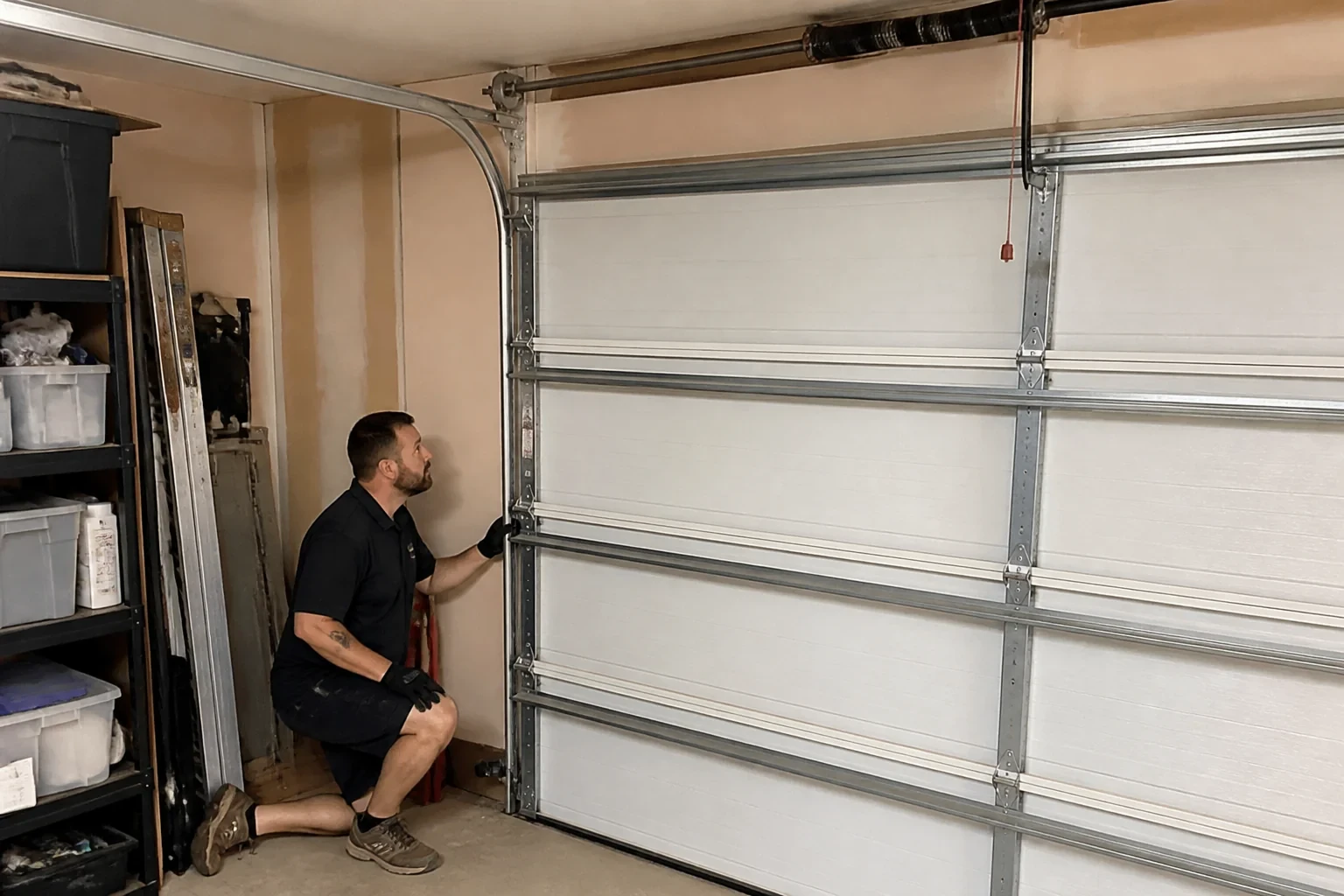
Recognize the problem
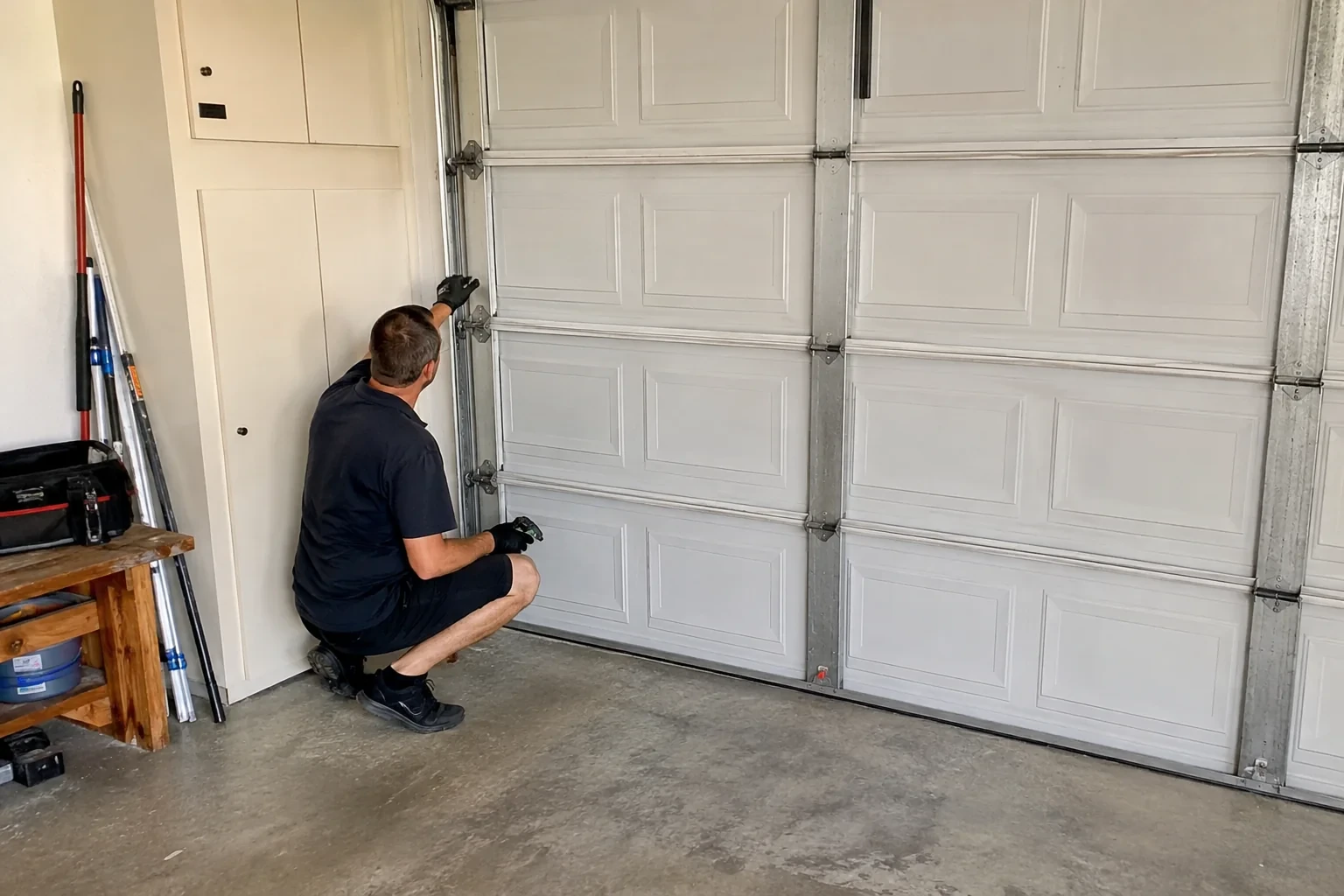
The track is bent, loose, or preventing a straight door path.
Clarify what is included
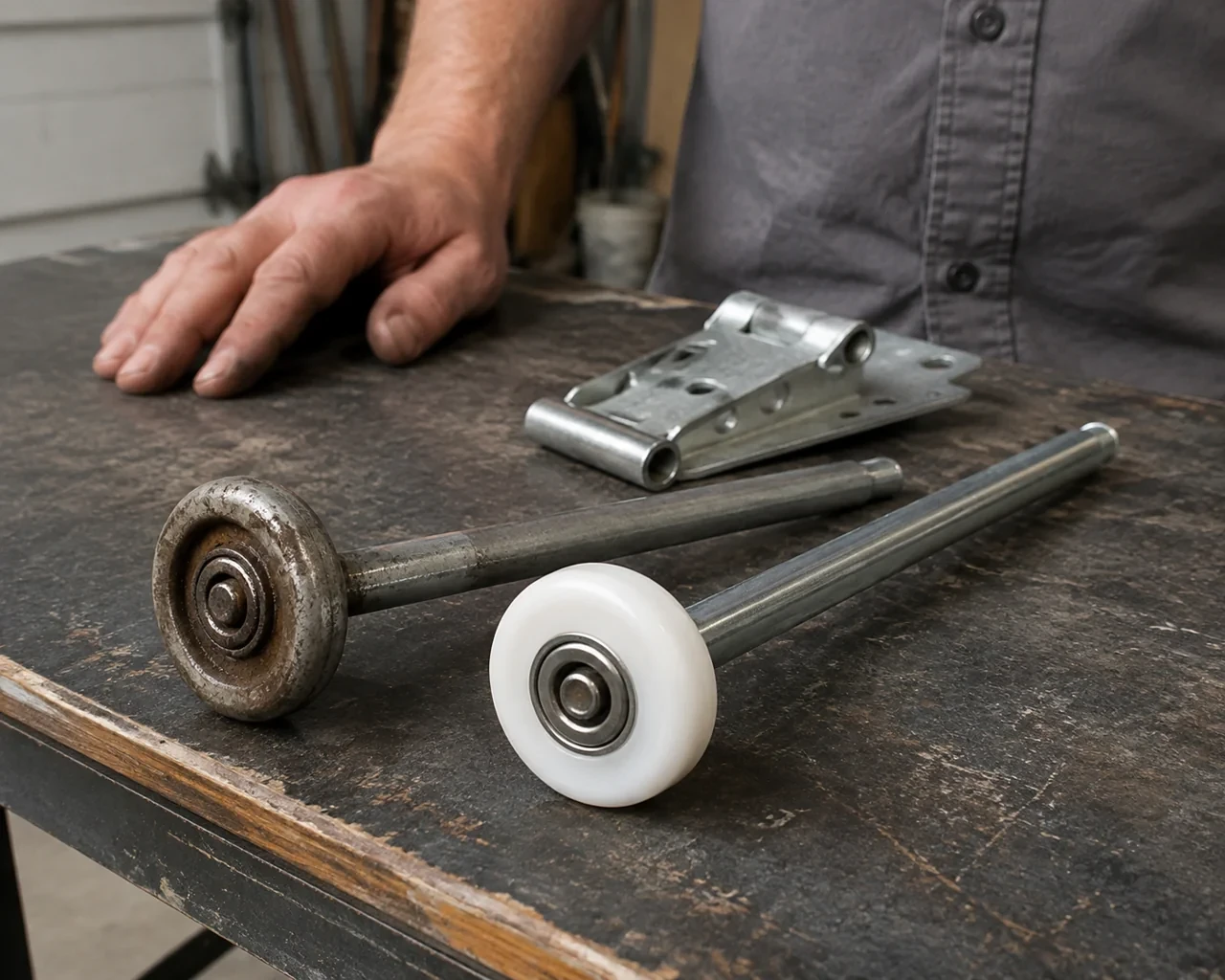
Discuss vertical or horizontal track, brackets, lag screws, fasteners. Separate proposed replacement parts from materials, equipment used during the visit and any report you will receive. Confirm compatibility for proposed parts.
The proposed work
Ask the technician to identify the damaged or displaced track and its supports, and explain whether repair or replacement is proposed. Keep alignment work, supporting construction and any related door damage explicit in the written scope.
Parts of the conversation
- vertical or horizontal track
- brackets
- lag screws
- fasteners
Condition, compatibility and the proposed method need to be checked before work begins.
TAKE A CLOSER LOOK
Understand the moving parts.
Around your home
Familiar spaces. Thoughtful care.
KNOW WHAT YOU ARE AGREEING TO
Before you approve the work.
Track scope +
Name the track sections and supports proposed for repair or replacement.
Supporting construction +
Clarify whether work to mounting surfaces or surrounding construction is included.
Completion record +
Confirm the work completed, any unresolved limits and the applicable function checks at handover.
Questions from the homeowner’s side.
What does garage door track repair or replacement involve?
Ask the technician to identify the damaged or displaced track and its supports, and explain whether repair or replacement is proposed. Keep alignment work, supporting construction and any related door damage explicit in the written scope.
What should the proposal say about parts, materials and equipment?
Discuss vertical or horizontal track, brackets, lag screws, fasteners. Ask the provider to distinguish existing parts to inspect, proposed replacements, and tools, materials or reports included in the service. Request a reason for any replacement and confirm compatibility with your equipment. A list of possible items does not mean that every item must be supplied or replaced.
Should I repair the garage door or replace it?
Separate the door itself from the opener and its hardware. A worn roller, damaged seal or opener fault does not automatically require a new door. Ask which component failed, whether compatible parts are available and whether the panels, tracks and supporting hardware remain suitable. Compare a repair proposal with replacement only after the condition and scope are explained.
What details help identify an opener problem?
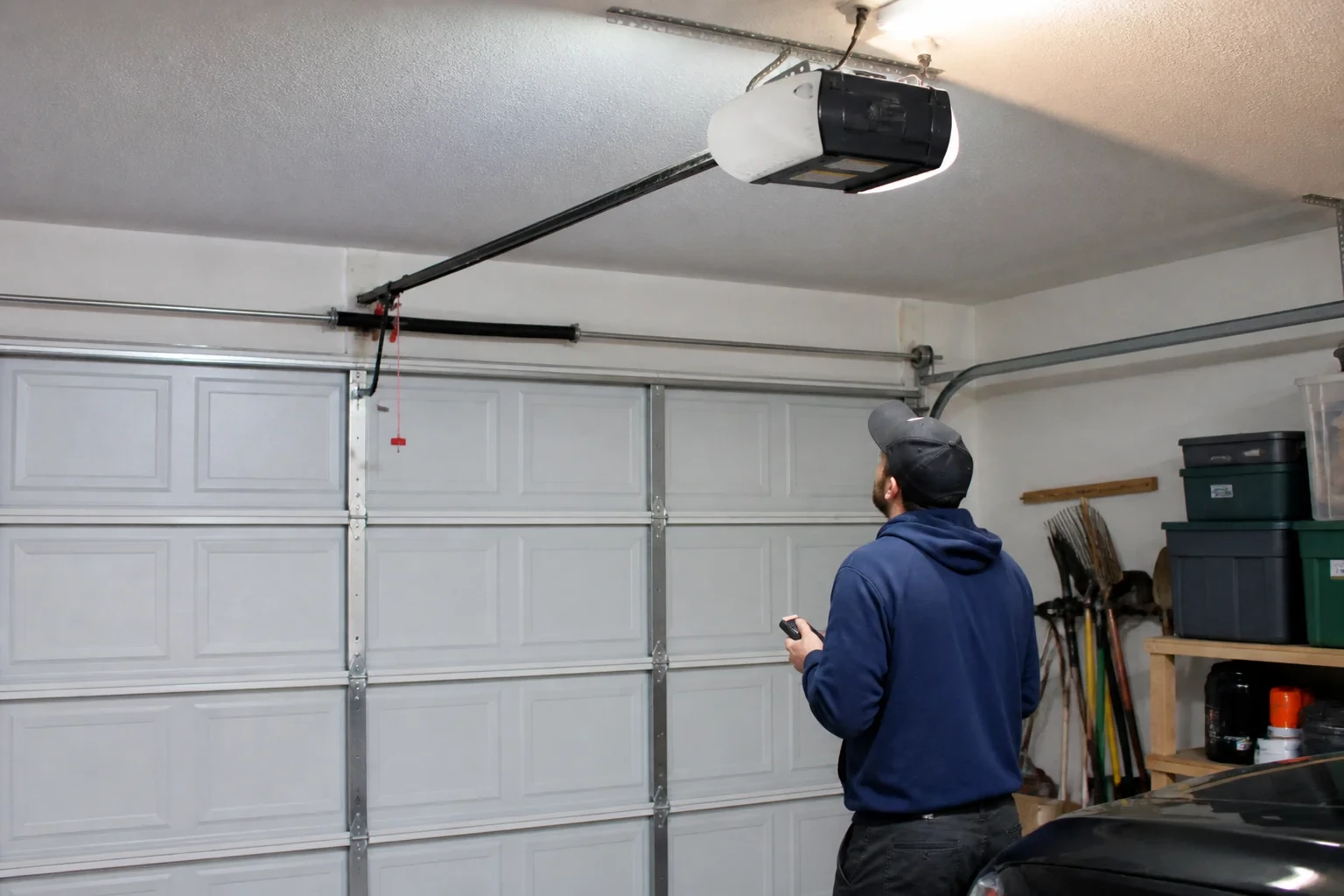
Describe what happens when you use the wall control and the remote, any unusual sound, and whether the door moves partway or stays still. If accessible without climbing or removing a cover, note the opener model. These observations help prepare the visit; they do not establish which part needs replacement.
What should I compare between installation proposals?
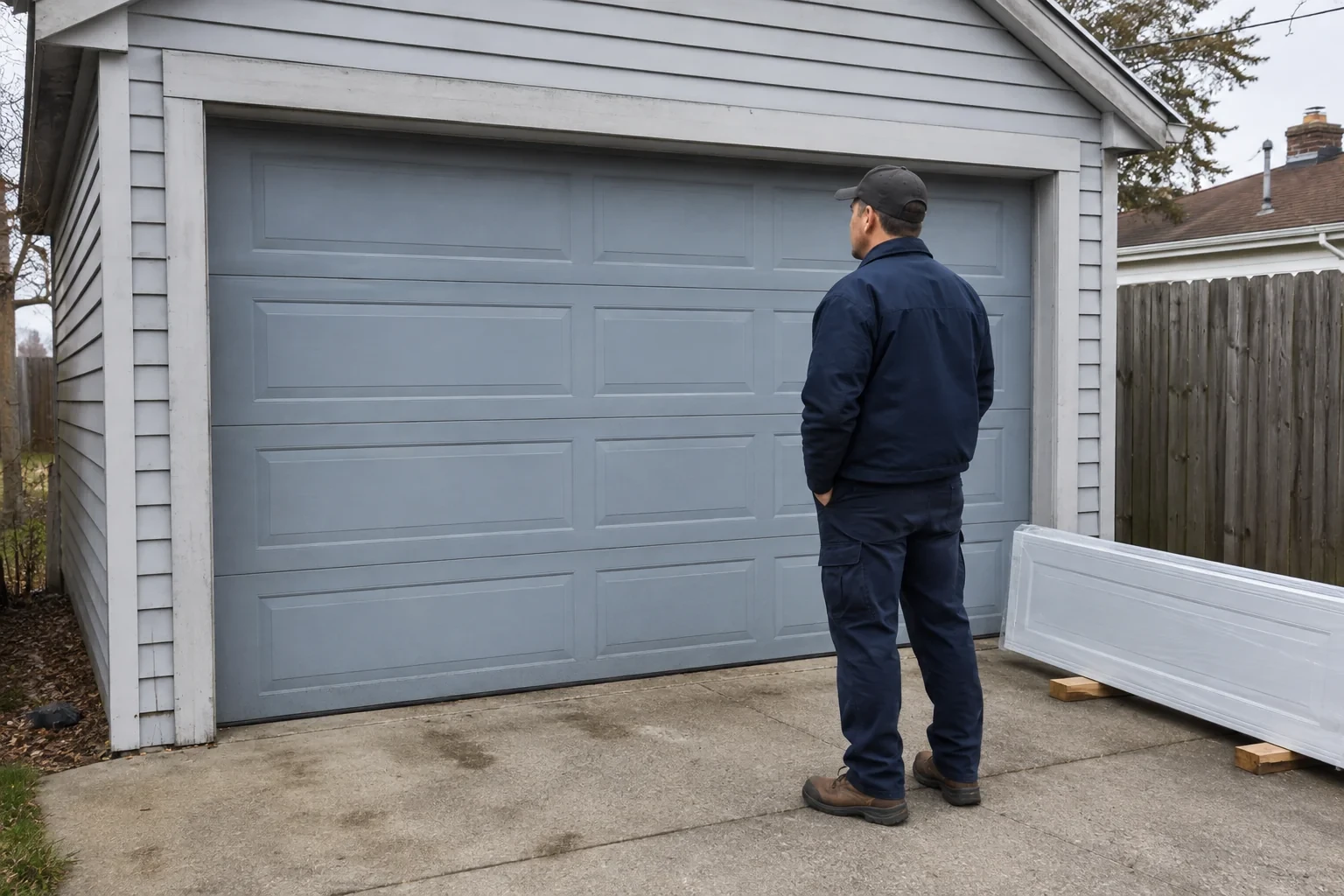
Compare the door material, insulation specification, panel and window style, hardware and opener compatibility. Ask whether removal of the old equipment, installation, adjustment and completion checks are included. For a property with wind-load requirements, ask for the product documentation and applicable installation requirements rather than relying on appearance.
Can a noisy door be diagnosed from the sound alone?
Sound is a useful clue, but several components can create similar symptoms. Describe whether it occurs at the start, near a curve in the track, or throughout travel. A useful assessment checks the door system before proposing parts, and explains the observed fault instead of treating every noise as an opener problem.
How do I prepare the garage for a visit?
Keep access to the doorway, wall control and equipment clear. Put pets and children away from the work area and gather any previous invoices or model information. Tell the provider about limited clearance, vehicles that cannot be moved or a door that is stuck before the appointment.